Forget the Granola Bar: The Lithuanian Morning Spread That Actually Keeps You Full Until Lunch

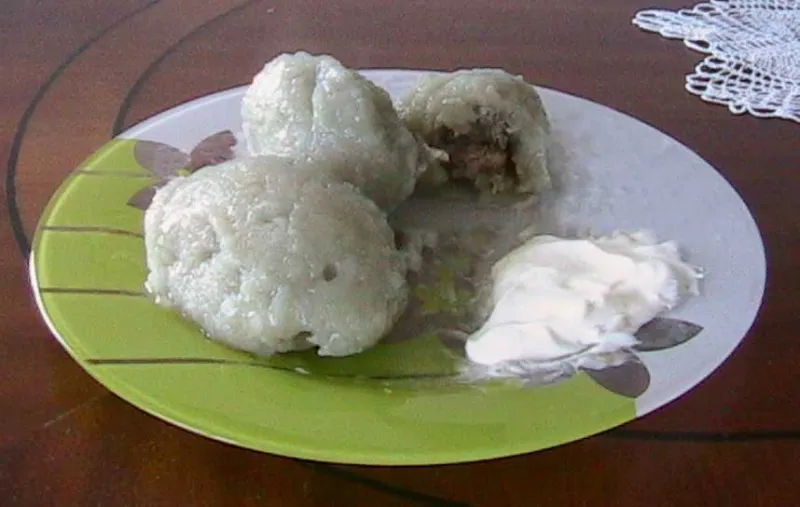
Photo: traditional Lithuanian breakfast spread rye bread herring sour cream morning table, via juraganposter.net
Somewhere between the overnight oats trend and the $14 açaí bowl craze, American mornings got complicated. We're all chasing the breakfast that checks every box—quick, satisfying, not loaded with sugar—and somehow the wellness industry keeps selling us something new to try. Meanwhile, Lithuanian grandmothers have been serving up the answer for generations, and it involves herring, rye bread, and a dollop of thick sour cream that would make your Greek yogurt feel insecure.
At Mama & Papa Lithuania, we talk a lot about what gets lost when food traditions travel. But breakfast might be where the gap between Old World wisdom and New World habit is widest. So let's fix that.
What a Lithuanian Morning Actually Looks Like
In Lithuania, breakfast isn't an afterthought you eat standing over the sink. It's a proper sit-down moment, even on a Tuesday. The table gets set. There's usually a pot of something hot—tea or coffee—and the food is savory, substantial, and built to last.
A typical spread might include dark rye bread sliced thick, a small dish of herring in oil or a light cream sauce, some form of fermented dairy (more on that in a minute), soft-boiled eggs, maybe cold cuts or smoked fish, and if it's a weekend or someone's feeling ambitious, a plate of bulviniai blynai—potato pancakes—fresh off the cast iron.
Notice what's missing? Cereal. Pastries. Flavored yogurt with 28 grams of sugar. The Lithuanian breakfast table isn't anti-sweet, exactly, but sweetness isn't the point. The point is fuel.
The Rye Bread Foundation
If there's one non-negotiable on a Lithuanian breakfast table, it's the bread. Not sandwich bread. Not sourdough toast points. We're talking dense, slightly tangy, dark rye—the kind that smells like the earth it came from.
In Lithuania, this bread is more than a carb delivery vehicle. It's the canvas. You spread it with butter, top it with a thin slice of cucumber or radish, maybe a smear of cottage cheese or a piece of smoked sprat, and that's breakfast. Simple, honest, and surprisingly filling because rye bread is genuinely high in fiber and digests slowly.
For American home cooks, finding authentic Lithuanian rye can take a little effort—check Eastern European delis, Baltic specialty stores, or look for a Scandinavian-style dark rye at a well-stocked grocery store. Once you have it, you'll understand why Mama always said white bread was for guests who didn't know any better.
Herring in the Morning (Yes, Really)
We know. Herring for breakfast sounds like a hard sell in a country that considers Pop-Tarts a morning food. But hear us out.
Herring—pickled, creamed, or simply marinated in oil with onion and bay leaf—is a protein-dense, omega-3-rich food that pairs beautifully with rye bread. In Lithuanian households, it shows up at breakfast the same way smoked salmon shows up at a New York brunch, except it costs a fraction of the price and carries about four centuries more cultural weight.
You don't need to eat a whole fillet. A few small pieces alongside your bread and a soft-boiled egg creates a complete, balanced plate that won't have you raiding the vending machine by 10 a.m. Find a good-quality pickled herring at Trader Joe's, IKEA's food section, or any Polish or Russian grocery store, and give it a week before you judge.
Fermented Dairy: Lithuania's Secret Weapon
American breakfasts have discovered Greek yogurt and called it a day. Lithuanian mornings have always had something richer in the rotation.
Rūgštus grietinėlė—a cultured sour cream that's thicker and tangier than the American version—shows up on nearly everything. It goes on potato pancakes, it gets stirred into cottage cheese, it's dolloped next to a piece of dark bread. And then there's varškė, a fresh farmer's cheese somewhere between ricotta and dry cottage cheese that Lithuanians eat sweet (with a little honey or berries) or savory (with herbs and a pinch of salt).
For American kitchens, full-fat sour cream or crème fraîche gets you close enough on the sour cream front. For varškė, look for farmer's cheese, quark, or dry-curd cottage cheese at a specialty store. Eat it on rye bread with a sprinkle of fresh dill and a crack of black pepper. That's a Lithuanian breakfast right there.
Potato Pancakes: The Weekend Centerpiece
If you've been to Mama & Papa Lithuania's table before, you already know about bulviniai blynai. These aren't the thin, lacey latkes you get at a deli. Lithuanian potato pancakes are thicker, denser, and crisped in a generous amount of oil until the edges are almost shatteringly crunchy while the inside stays soft and starchy.
On weekdays, breakfast is practical. On weekends, you make potato pancakes. You grate the potatoes by hand (or use the food processor—nobody's judging), squeeze out the excess liquid, mix in egg and a little flour, and fry them in batches. Serve them with cold sour cream and maybe a few pieces of smoked salmon if you're feeling fancy.
They take about 30 minutes start to finish, and they will ruin you for brunch buffets forever.
How to Start Shifting Your Mornings
You don't have to overhaul everything at once. The Lithuanian breakfast table is built on pantry staples and a slightly different mindset—savory over sweet, slow over fast, real food over processed convenience.
Start with the bread. Buy a loaf of dark rye this week and eat it with butter and a soft-boiled egg instead of reaching for the cereal box. Next week, add a small dish of herring or some good farmer's cheese with herbs. By the time you work up to Saturday potato pancakes, you'll wonder what took you so long.
Mama always said the morning sets the tone for everything that follows. After a breakfast like this, the rest of the day has a lot to live up to.