From Mushrooms to Marrow: How Lithuanian Kids Learn to Eat Everything (And What That Means for Your Table)
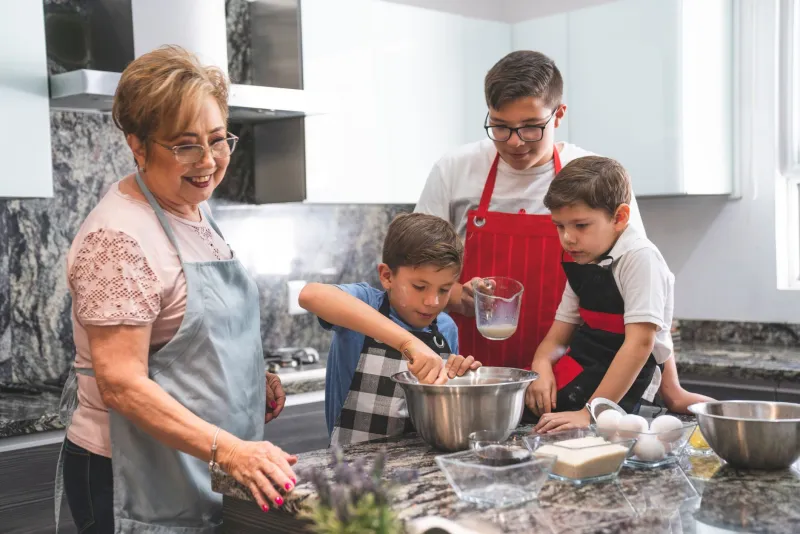
If you sat down at a Lithuanian grandmother's table as a kid, you ate what was in front of you. Not because someone threatened you, and not because the food was dumbed down into something beige and inoffensive. You ate it because it smelled incredible, because everyone else was eating it, and because nobody at that table had ever suggested there was another option.
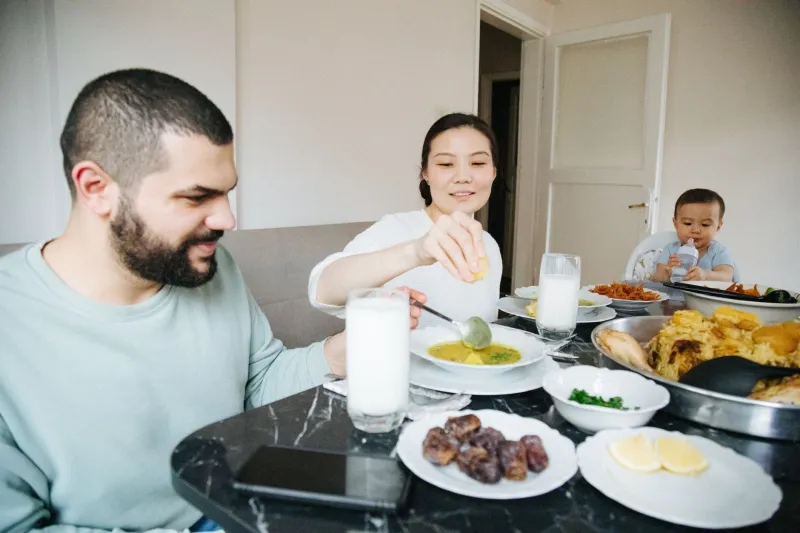
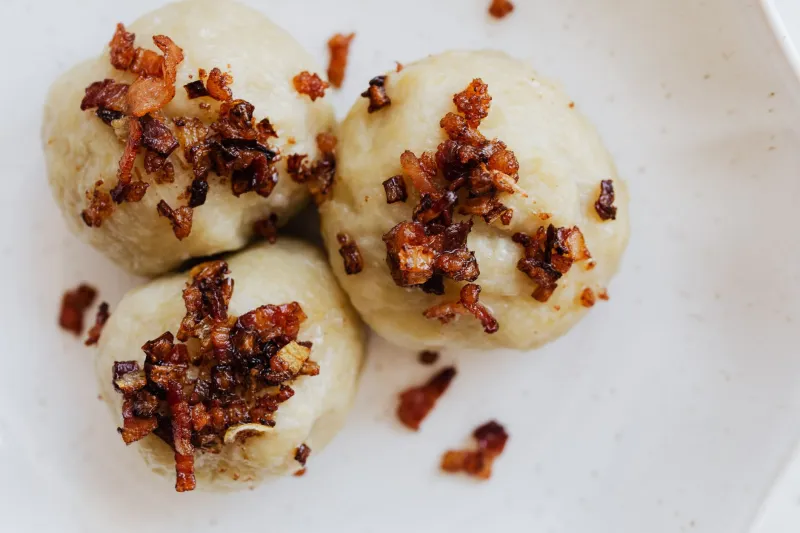
Fast-forward to an American dinner table in 2024, and the scene looks a little different. Separate meals for the kids. A rotation of five "safe" foods. A grown adult who still won't touch mushrooms. We're not judging — we get it. But we do think there's something worth borrowing from the way Lithuanian families have always approached feeding children. Because somehow, over generations, they figured out how to raise kids who will eat mushroom soup, liver pâté, fermented beets, and pickled herring without a second thought.
So what's actually going on there?
It Starts Before the First Bite
In Lithuania, food is woven into daily life in a way that goes well beyond mealtimes. Kids grow up watching their parents forage for mushrooms in the fall, helping to sort and dry them, smelling them cook down into something rich and earthy. They're in the kitchen when cabbage is being fermented, when beets are being roasted, when liver is being sliced and seasoned. By the time that food reaches the table, it's already familiar.
Food researchers call this "sensory exposure" — the idea that repeated contact with a food's smell, texture, and appearance, even before tasting it, dramatically lowers a child's resistance to trying it. Lithuanian home kitchens are basically a masterclass in this, completely by accident. When your grandmother has been pickling cucumbers every August your whole life, cucumbers don't feel strange. They feel like home.
American families can replicate this without moving to Vilnius. Let your kids be present when you cook, even when it's messy. Let them smell things, touch things, ask questions. The more familiar an ingredient feels before it hits the plate, the less likely it is to trigger that reflexive "I don't like that" response.
Necessity Shaped the Palate
Lithuanian cuisine wasn't built around preference — it was built around survival. For centuries, families ate what the land provided, what they preserved through the winter, and what they could stretch across multiple meals. Organ meats weren't exotic or adventurous; they were dinner. Mushrooms weren't a topping; they were often the main event. Root vegetables, fermented everything, dark rye bread — these weren't choices from a menu. They were just food.
That history has a lasting effect on how Lithuanian parents frame eating for their kids. There's no cultural script for "kid food" versus "adult food." The table is the table. Everyone eats the same thing. This isn't about being rigid — it's about not creating a two-tier system in the first place.
You don't have to overhaul your whole kitchen to apply this thinking. Start by resisting the urge to make a separate, simpler version of dinner for the kids. Serve the same meal. Offer a small portion of something new alongside something they already like. Don't make a production of it either way.
The Zero-Waste Kitchen as Flavor School
One of the most underrated things about traditional Lithuanian cooking is how thoroughly it uses every part of an ingredient. Bread goes into soups. Beet greens go into salads. Chicken bones become broth. Liver gets pan-fried with onions or blended into spreads. Nothing is wasted, and nothing is hidden.
This matters for raising adventurous eaters because it means kids grow up understanding where food comes from and what it actually is. There's no mystery, no squeamishness about the fact that meat comes from animals or that some parts of a vegetable look different from others. When a child has watched their parent make broth from scratch, the idea of eating something "unusual" loses a lot of its power to intimidate.
If organ meats feel like a bridge too far for your family right now, that's okay. But you can still apply the same spirit. Try using the whole vegetable — stems, greens, and all. Make stock from your chicken carcass instead of tossing it. Let your kids see you do it. That kind of cooking is its own education.
Seasonality Keeps It Interesting
In Lithuania, you don't eat strawberries in January. You eat what's in season, which means the food calendar has a natural rhythm — and kids learn to get excited about things coming back around. Mushroom season in the fall is practically a holiday. The first fresh cucumbers of summer are genuinely thrilling. Fermentation season means the kitchen smells like something alive and interesting.
American grocery stores make every food available every day, which sounds like a win but can actually flatten a kid's relationship with food. When everything is always there, nothing feels special. Eating seasonally — or even just talking about seasonality — can bring some of that excitement back. Tell your kids that the beets at the farmers market right now are the good ones. Make a thing of it. Kids respond to enthusiasm.
Fermented Foods: The Probiotic Gateway
If there's one food category that separates Lithuanian kids from their American counterparts, it might be fermented foods. Rye bread, pickles, kefir, fermented beet kvass, sauerkraut — these show up constantly in a traditional Lithuanian diet, and kids eat them from the time they're old enough to chew.
The sour, funky, complex flavors of fermented foods are actually an acquired taste — but Lithuanian kids acquire it early, which means it doesn't feel acquired at all. It just feels normal. The good news is that early exposure really does work. If you start offering small tastes of good-quality pickles, live-culture yogurt, or even a slice of real sourdough rye alongside familiar foods, you're building that palate gradually.
We're not saying slam a jar of fermented beet kvass in front of your five-year-old and call it dinner. But a little pickle alongside their sandwich? A spoonful of kefir in their smoothie? That's how it starts.
What You Can Actually Do This Week
You don't need to reconstruct your entire food culture overnight. But here are a few small shifts that reflect the Lithuanian approach:
- Cook one meal for the whole table. Skip the backup pasta. Offer the same dish with a small portion of something familiar on the side.
- Bring kids into the kitchen. Even just having them nearby while you cook counts as exposure.
- Name the ingredients out loud. "This is mushroom soup — we dried these ourselves last fall" is more interesting than "it's soup."
- Let them try before they decide. One bite before the verdict. That's the rule.
- Don't react to rejection. Neutral, calm, no drama. Try again in a few weeks.
The Lithuanian approach to feeding kids isn't a program or a philosophy someone trademarked. It's just the natural result of a food culture that never separated eating into categories of scary and safe. The table was always the whole table, and everyone was always welcome at it.
Maybe that's where we start.