Before the Main Event: Why Lithuanians Always Start Dinner With a Bowl of Soup

Somewhere along the way, Americans decided soup was either a full meal or a sad desk lunch. A can of tomato something, a drive-through cup of chili, or a big bowl of chowder you eat standing over the sink on a Tuesday. What it almost never is — at least not in most American households — is a deliberate, unhurried first course that signals to everyone at the table: we are about to eat, and it matters.
In Lithuania, that's exactly what soup is.
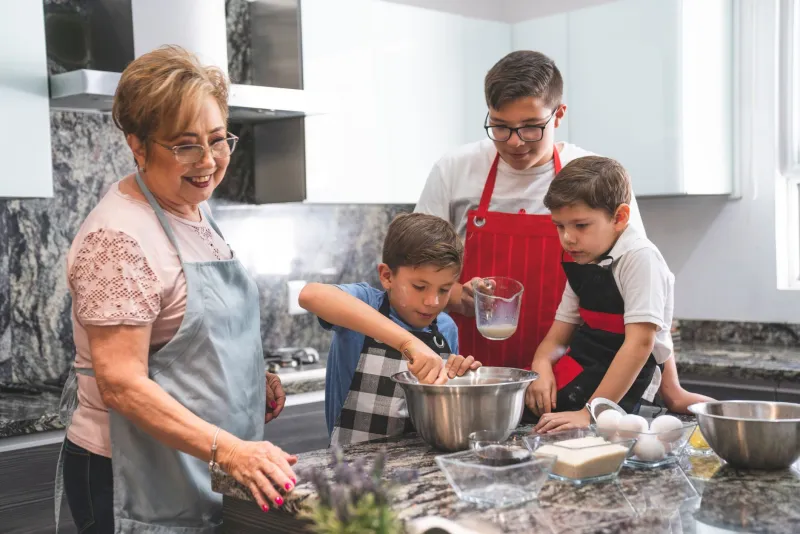
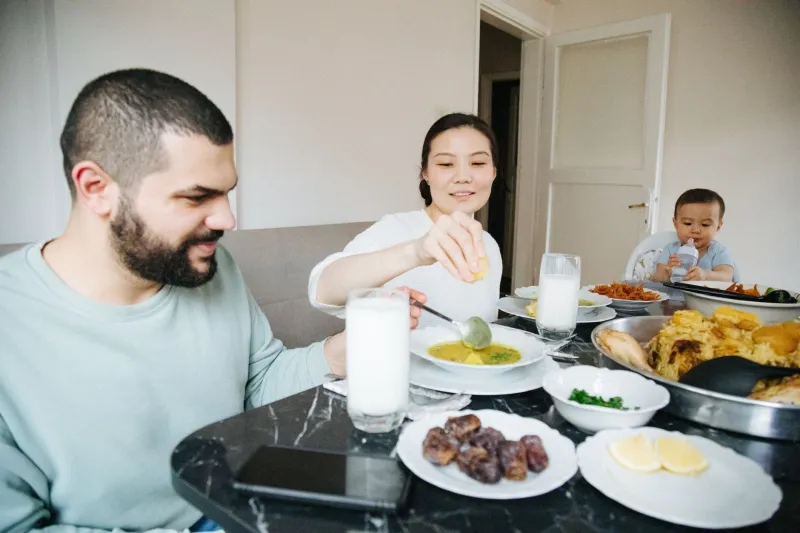
Mama used to say that a dinner without soup is like a story without a beginning. You can jump straight to the middle, sure, but something feels off. You haven't settled in yet. You haven't arrived. The soup course — and yes, it is a course, not a side, not an option — is the moment the meal actually begins. Spoons down, conversation up, no screens, no rushing. Just a warm bowl and the understanding that good food deserves a little ceremony.
This isn't a fancy restaurant tradition. This is how Lithuanian grandmothers fed their families on ordinary weeknights. And it's a habit worth stealing.
Why the Soup Course Works (Even When You're Tired)
Here's the practical case, because we know you're not looking to add complexity to a Wednesday evening. The soup course actually makes dinner easier in a few ways.
First, it buys you time. If the roast needs another fifteen minutes, a bowl of soup keeps everyone calm and at the table instead of raiding the snack cabinet. Second, it naturally slows the pace of eating — research consistently shows that eating more slowly leads to better digestion and more realistic hunger cues. Third, and maybe most importantly for parents, it gets something warm and nourishing into kids before the negotiating begins over the main dish.
Lithuanian soups are rarely fussy. They tend to be broth-forward, vegetable-heavy, and built from whatever's on hand — root vegetables, dried mushrooms, fermented beet juice, leftover chicken bones. The pantry does most of the work. The cook just has to remember to start the pot.
Five Lithuanian Soups Worth Making a Habit
1. Šaltibarščiai (Cold Beet Soup)
This is the one that surprises people. Bright pink, ice cold, and wildly refreshing, šaltibarščiai is Lithuania's summer soup — and it's as easy as it gets. Grated or thinly sliced cooked beets, chopped cucumber, hard-boiled eggs, green onions, and fresh dill all go into a bowl of cold kefir thinned with a little water. Salt, a squeeze of lemon, done. It looks dramatic, takes about ten minutes, and tastes like nothing else you've ever had before a meal. Serve it in small portions — this is a starter, not a main — with a warm boiled potato on the side if you want to be traditional about it.
2. Barščiai (Hot Beet Borscht)
Not to be confused with its cold cousin, the hot version of barščiai is a deeper, more serious soup. It's built on a beef or pork bone broth, loaded with shredded beets, cabbage, carrots, and onion, and finished with a spoon of sour cream right before serving. The flavor is earthy, slightly sour, and genuinely warming. Make a big pot on Sunday and you've got your soup course covered for the first half of the week.
3. Grybų Sriuba (Dried Mushroom Soup)
This one is a Lithuanian pantry staple made real. Dried porcini or mixed forest mushrooms get soaked, then simmered low and slow with onion, potato, and a little barley or noodles. The resulting broth is dark, woodsy, and deeply savory — the kind of thing that makes people ask what your secret is. The secret is patience and dried mushrooms, both of which are extremely affordable. A small cup of this before a simple roasted chicken dinner turns the whole meal into something that feels intentional.
4. Kopūstų Sriuba (Sauerkraut Soup)
If you've been following along here at Mama & Papa Lithuania, you already know we're big believers in fermentation. This soup is proof that sauerkraut belongs far beyond the hot dog bun. A pork-based broth, a generous heap of rinsed sauerkraut, diced potato, onion, and a little smoked sausage if you have it — that's essentially the whole recipe. The fermented cabbage gives the broth a pleasant tartness that cuts through the richness beautifully. It's particularly good in winter, and particularly good as a first course before something hearty like roasted pork or stuffed cabbage.
5. Vištienos Sriuba (Simple Chicken Vegetable Soup)
Every culture has a version of this, and Lithuania's is as comforting as any of them. Chicken pieces simmered with root vegetables — parsnip, carrot, celeriac, onion — until the broth is golden and fragrant. Season generously with salt and white pepper, add a handful of thin egg noodles or rice, finish with fresh parsley. This is the soup Lithuanian mothers make when someone is sick, when the weather turns, or when dinner needs to feel like a hug. Served in small cups before the main course, it's gentle, warming, and universally loved by children and adults alike.
How to Actually Make This Happen at Your Table
You don't need to overhaul your entire dinner routine. Start with one night a week. Pick a soup — ideally one you can make in a big batch earlier in the day or even the day before — and commit to serving it first. Ladle it into small bowls or even mugs. Tell your family this is how dinner starts now. See what happens.
What usually happens, in our experience, is that people slow down. They talk more. They're less frantic by the time the main dish arrives. The table feels different — more like a destination than a pit stop.
That's the whole point of the Lithuanian soup course. It's not about the soup itself, really. It's about the signal it sends: we're here, we're together, and this meal is worth our full attention.
Mama always said the soup told you what kind of cook you were dealing with. Not because it had to be complicated, but because making it at all meant you cared enough to think ahead. That's a habit worth picking up, no matter where your kitchen is.
Have a Lithuanian soup recipe that's been in your family for generations? We'd love to hear about it — drop us a note or share it in the comments below.